
Tuesday, May 19, 2026
The technology landscape is moving at a pace that often feels impossible to track, yet today’s headlines provide a clear map of where the industry is heading. From massive global spending forecasts to local legislative shifts in Colorado, the themes of May 19, 2026, center on the maturation of AI and the physical infrastructure required to sustain it. As we look at the data coming in from the WSJ and local reports, the sheer scale of investment is the primary driver of every other conversation in the IT sector.
The Massive Scale of AI Investment
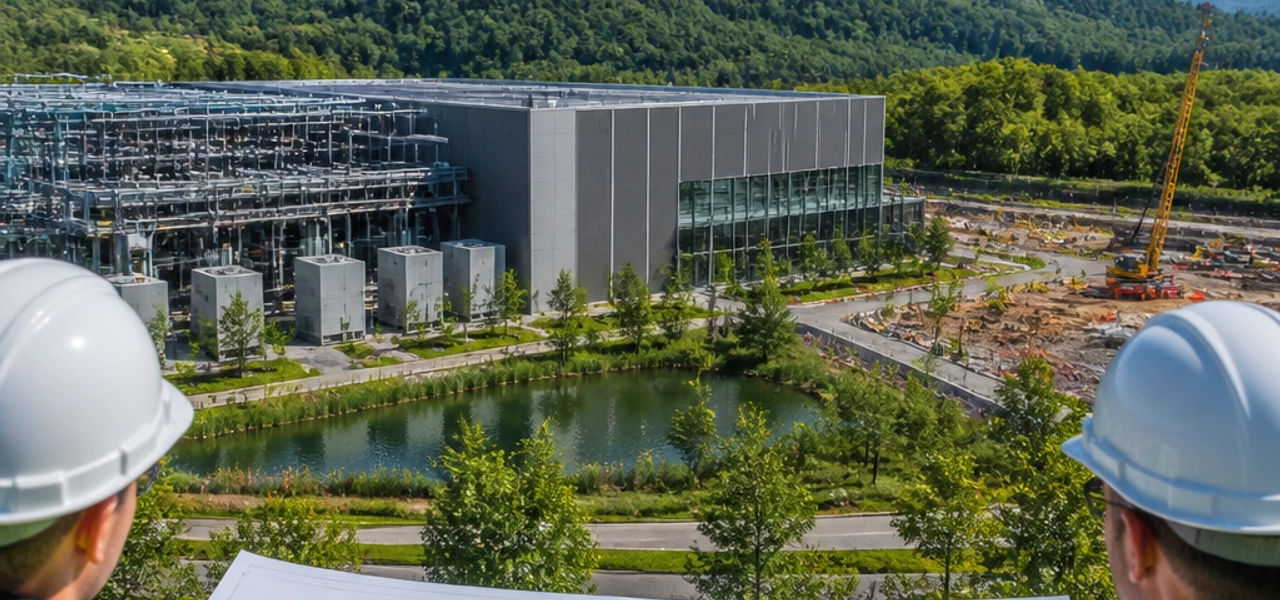
Global spending on AI is now forecasted to reach a staggering $2.59 trillion by the end of 2026. This represents a 47% increase over previous estimates and highlights a fundamental shift in how organizations prioritize their capital expenditures. This capital isn't just flowing into software or LLM subscriptions. A significant portion is being diverted into the physical reality of compute power and data center construction.
While the numbers are impressive, they bring a new set of challenges that business leaders must navigate. The "gold rush" for AI capabilities is meeting significant resistance at the local level. Reports indicate that over 50 major data center projects have been delayed or blocked recently due to local opposition. Residents and local governments are increasingly concerned about power consumption, water usage for cooling, and the noise generated by these massive facilities. This friction suggests that the bottleneck for AI growth might not be the code or the chips, but rather the physical space and energy required to run them.

Infrastructure and the Rise of Compute-as-a-Service
To address these infrastructure needs, some of the world's largest players are joining forces. Google and Blackstone have announced a $5 billion AI cloud venture designed specifically as a compute-as-a-service offering. This venture focuses on using Google TPUs (Tensor Processing Units) to provide massive scale for enterprises that don't want to build their own hardware stacks.
For mid-sized and large businesses, this trend toward specialized cloud environments is worth watching. When Zoller Consulting, powered by OTG Consulting, looks at the global provider landscape, we see a move toward these tailored technology solutions. OTG Consulting provides access to hundreds of pre-vetted global providers and all major colocation facilities, which is becoming crucial as standard public cloud options face capacity constraints. This new venture between Google and Blackstone is a sign that the industry is moving toward "purpose-built" infrastructure rather than general-purpose hosting.
The Workforce Transition and the Role of AI
The financial sector is often the first to feel the impact of large-scale automation. Standard Chartered has announced plans to cut approximately 8,000 back-office jobs by 2030 in a strategic shift driven by AI. This isn't just about cost-cutting. It represents a fundamental reimagining of how banking operations function. The goal is to replace manual data entry and reconciliation tasks with automated systems that are both faster and less prone to human error.
This transition highlights a growing trend in the enterprise space. We are moving away from using AI as a simple chatbot and toward using it as an integrated part of the business workflow. This shift requires a high degree of confidence in the underlying technology. Business owners and technology leaders are now tasked with managing the human side of this transition, ensuring that their teams are prepared for a more strategic, less administrative role in the company.
Colorado Local News: Transparency and Growth
Closer to home, the Colorado legislative environment is evolving to meet these technological changes. Governor Polis has signed SB 189, which scales back the state’s landmark AI law. The new focus is primarily on transparency rather than heavy-handed regulation of the algorithms themselves. This is a significant development for Colorado-based tech companies because it provides a clearer path forward for innovation without the immediate fear of overly restrictive compliance hurdles.
In Aurora, AdventHealth is continuing its hospital campus expansion. Phase 1 of the new ER is on track to open in late 2026. This project is a prime example of how healthcare infrastructure is expanding to meet the needs of a growing population. These types of physical expansions often require a complete rethink of business IT solutions to ensure that patient data, communication systems, and facility management are all seamlessly integrated.
The "Vibe Coding" Trend in Denver
One of the more unique stories coming out of Denver today involves small businesses exploring what is being called "vibe coding." This refers to using AI-driven natural language tools to build custom applications. Rather than writing traditional code, business owners are describing the "vibe" and functionality they want in plain English, and the AI handles the SDK and back-end logic.

This trend is democratizing software development. Small businesses that previously couldn't afford a full-time developer are now creating their own internal tools for inventory management, customer engagement, and scheduling. It's a reminder that while the big headlines focus on trillions of dollars in spending, the real-world impact of AI is often found in these small, practical applications that solve daily business problems.
Hardware and Model Breakthroughs
On the technical front, several major announcements have hit the wires. The release of the Qwen 3.7 model has shown exceptionally high performance in recent tests, challenging some of the more established players in the field. Simultaneously, Anthropic has acquired Stainless, an SDK tooling startup, signaling a push to make their models easier for developers to integrate into existing systems.
Perhaps the most significant hardware news is the arrival of the NVIDIA ‘Vera’ CPU. This chip is purpose-built for AI agents and features 88 Olympus cores. It has already been delivered to top research labs across the country. Unlike traditional CPUs designed for general tasks, the Vera CPU is optimized for the high-concurrency needs of autonomous AI agents. This hardware evolution is a critical piece of the puzzle because it allows for more complex, long-horizon tasks that previous generations of hardware struggled to handle.

Coding and Security Updates
Software developers are also seeing improvements in their daily workflows. The Cursor Composer 2.5 update has been released, promising much better handling of long-horizon coding tasks. This tool allows developers to give broader instructions that span across multiple files and directories, reducing the amount of manual "babysitting" required for complex coding projects.
However, with all this innovation comes increased risk. SoS Daily News has issued a general enterprise cybersecurity and fraud alert. As AI tools become more sophisticated, so do the methods used by bad actors to commit fraud and breach security perimeters. Organizations are encouraged to review their cyber resilience strategies and ensure that their teams are trained to recognize increasingly convincing deepfake and phishing attempts.

Key Takeaways for Business Leaders
As we process today's news, several themes emerge that should stay on the radar of any technology leader or business owner:
- Infrastructure is the new battleground. The move by Google and Blackstone highlights that having the right compute power in the right location is becoming a competitive advantage.
- Local regulations matter. Colorado's SB 189 shows that the regulatory environment is still in flux, and staying informed on transparency requirements is essential.
- Automation is accelerating. The job cuts at Standard Chartered are a reminder that back-office roles are being fundamentally reshaped by AI-driven efficiencies.
- Hardware is getting specialized. The NVIDIA Vera CPU suggests that we are moving away from "one-size-fits-all" hardware toward chips designed for specific AI tasks.
- Security requires constant vigilance. The fraud alerts from today remind us that tech innovation must always be balanced with a strong security posture.
Managing these changes doesn't have to be overwhelming. Success in this environment often comes down to finding clarity and confidence in your technology decisions. By focusing on tangible business outcomes rather than the latest hype, leaders can navigate the noise and build a resilient foundation for the future.
Ray Zoller, President of Zoller Consulting, is an independent Broker/Advisor with decades of hands-on IT leadership experience, helping organizations align tech decisions with tangible business results.
Ready to talk technology?
Whether you're evaluating AI, cybersecurity, networking, or any business technology — Zoller Consulting can help you find the right solution without vendor bias.
Schedule a Free Consultation →